Material
Fluoroelastomer (FKM)
Fluoroelastomers are used for applications that require excellent resistance to aggressive chemicals

Fluoroelastomers are used for applications that require excellent resistance to aggressive chemicals
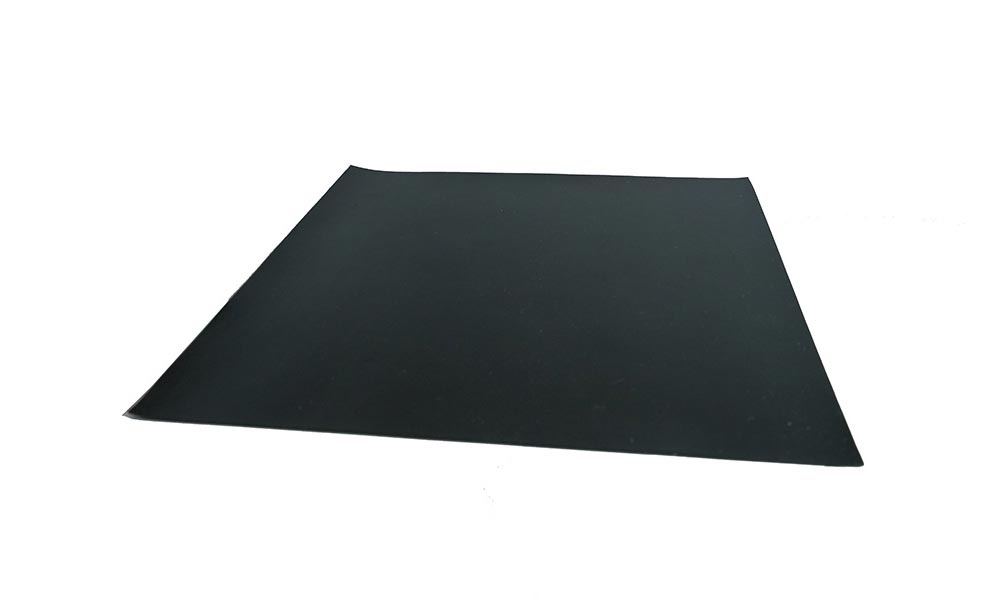
Fluoroelastomers are a family of high performance elastomers that are often referred to as FKM. A fluoroelastomer is a type of synthetic rubber that contains fluorine in its polymer structure. FKM material was originally developed by DuPont™ as Viton™ in 1957. After DuPont™ spun off Chemours™ in 2015, the trademark rights to Viton™ were transferred to The Chemours Company FC, LLC.
The distinguishing characteristics of FKM in general and Viton™ and particular are their resistance to high temperatures up to 400°F (200°C) and the high resistance to a broad range of aggressive chemicals, including fuels, oils, acids, and solvents. These synthetic rubber materials also offers excellent resistance to ozone, ultraviolet (UV) light, and weathering.
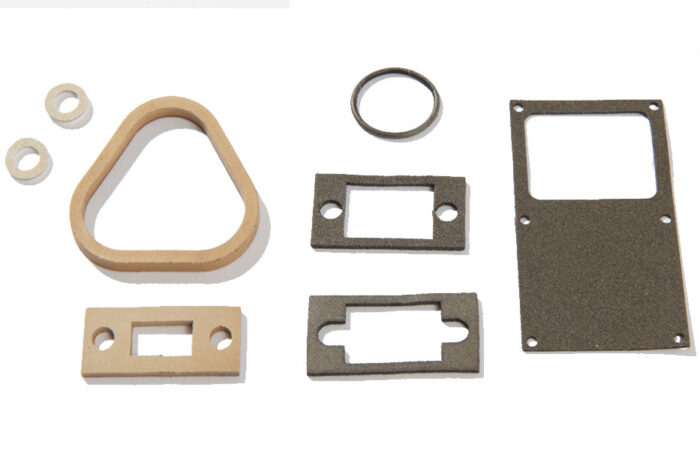
Like other types of mechanical seals, Viton™ and fluoroelastomer materials help prevent leaks between two joined or mating surfaces. Fluoroelastomer gaskets compensate for minor surface irregularities and ensure a consistent, reliable seal under harsh conditions. In addition to filling gaps, fluoroelastomer gaskets protect against heat transfer and maintain a seal with thermal expansion or contraction. Compared to fluorosilicones, gaskets made with fluoroelastomers / Viton™ offer advantages for applications where a specific set of aggressive chemicals are present.
Fluoroelastomers and Viton™ are not the same as fluorosilicone. That’s because Viton™ is a type of fluoroelastomer (FKM), a category of fluorocarbon-based materials that includes perfluoroelastomers (also called FFKM). Fluorosilicones (FVMQ) have fluorocarbon characteristics but are based on silicone rubber with fluorine additions in the main polymer chain.
Fluoroelastomers and fluorosilicones both provide chemical and temperature resistance, but they have different chemical compositions and performance properties. The table below explains.
| Property | Viton™ (FKM) | Fluorosilicone (FVMQ) |
|---|---|---|
| Chemical Composition | Made from fluorinated carbon-based polymers. | Combines silicone and fluorocarbon properties |
| Temperature Resistance | High temperature resistance up to 400°F (200°C) or more. | Excellent temperature resistance, at ~450°F/232°C. |
| Chemical Resistance | Superior resistance to oils, fuels, and many aggressive chemicals | Good resistance to fuels, oils, and solvents, but less resistant to some chemicals than fluoroelastomer |
| Low Temperature Flexibility | Stiffens at lower temperatures. Not recommended for low temperature applications. | Retains flexibility at very low temperatures, some compounds down to -80°F |
In summary, Viton™ is better for aggressive chemicals while fluorosilicone excels at low temperature flexibility while offering good chemical resistance.
All Viton™ materials are FKM (fluoroelastomer) materials, but not all FKM material is Viton™. Although Viton™ is one of the most widely used types of FKM, manufacturers such as 3M™, Solvay™, and Daikin™ have their own FKM products. Viton™ is produced under the strict manufacturing standards of Chemours™ and is generally more expensive than other FKM materials because of its branding, quality assurance, and multiple grades.
Viton™ is not a perfluoroelastomer (also called FFKM), but FFKM material may be required for applications in the semiconductor and pharmaceutical industries. That’s because FFKM materials such as Kalrez® (a DuPont™ product) have low outgassing and high purity properties. FFKM is more expensive, however, and this can make Viton™ a better choice for applications that don’t require the extreme performance of FFKM.
Another material to consider is AFLAS®, a distinct type of fluoroelastomer, a tetrafluoroethylene-propylene (FEPM) copolymer, made from tetrafluoroethylene and propylene (TFE/P), developed by AGC Chemicals.
Fluoroelastomers, like other polymers, are available in different grades with specific benefits for different sealing applications. Contact Stockwell Elastomerics’ Applications Engineers for gasket material selection assistance.
Viton™ and FKM materials resist a wide range of aggressive chemicals, including:
This makes Viton™ / FKM especially effective in environments where other elastomers, such as nitrile or EPDM, would degrade. In addition to high temperature resistance, Viton™ / FKM materials have low gas permeability, which makes them a good choice for fuel systems and vacuum applications. Viton™ and FKM perform well with a broad range of fluids, including biodiesel and oxygenated fuels.
Among their advantages, fluoroelastomer materials have exceptional tensile strength (upwards of 2000psi) and are tear and abrasion resistant. Viton™ is also inherently flame-resistant and self-extinguishing once the heat source is removed. Specific grades or types include general purpose (Viton™ A), enhanced chemical resistance (Viton™ F), and specialty grades that are FDA-compliant or designed for extreme high performance.
Viton™ is more expensive than common organic elastomers such as nitrile or EPDM. Most Viton™ grades stiffen at temperatures below 30°F (-15°C) resulting in a loss of flexibility and sealing capabilities. For cold environments like this, gaskets made of silicones or fluorosilicones may be a better choice.
Among their disadvantages, Viton™ materials are relatively dense, which can limit their utility in lightweight applications. Compared to other elastomers, including natural rubber and nitrile, Viton™ also has less elasticity. This makes it less than ideal for sealing and cushioning applications that require high stretch or recovery.
Viton™ resists most chemicals, but they’re less effective against the following substances.
FFKM may be a better choice for these applications, and certain grades of Viton™ may degrade more quickly in high radiation environments such as nuclear applications.
Contact us for gaskets made with Viton™ and other fluoroelastomer materials, and for assistance with material selection. If Viton™ / fluoroelastomer material is not the best choice for a specific application, Stockwell Elastomerics’ Applications Engineers can recommend other material options.
Viton™ is a registered trademark of The Chemours Company FC, LLC.
Chemours™ is a registered trademark of The Chemours Company FC, LLC.
DuPont™ is a registered trademark of DuPont de Nemours, Inc.
3M™ is a registered trademark of 3M Company.
Solvay™ is a registered trademark of Solvay SA.
Daikin™ is a registered trademark of Daikin Industries, Ltd.
AFLAS® is a registered trademark of AGC Chemicals.