Contact Stockwell Elastomerics
Request a quote or get more information.

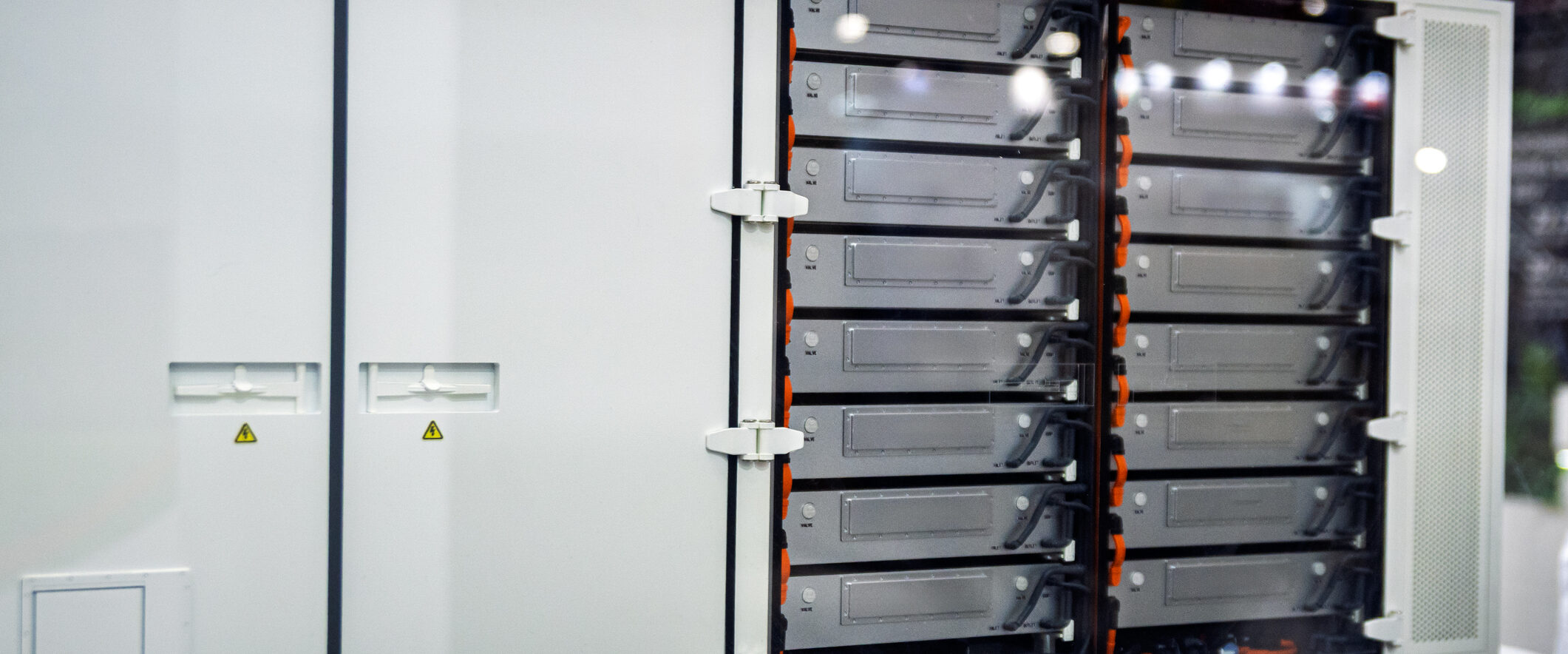
Battery energy storage systems (BESS) are supporting renewable energy, stabilizing grids, powering electrical vehicle (EV) infrastructure, and enabling distributed energy systems. As BESS increase in scale and complexity, their environmental sealing requirements become more demanding. Well-designed gaskets can help, but withstanding outdoor exposure isn’t the only design consideration.
Stockwell Elastomerics fabricates BESS gaskets and offers design reviews and help with material selection. Silicone gaskets provide excellent environmental sealing, but they can also reduce the risk of thermal runaway, support fire safety, and enable large-format gasketing. From prototyping through production, proper gasket design supports dependable BESS sealing and insulation.
Outdoor Environmental Exposure
BESS installations are often located outdoors, so engineers need to choose materials that can withstand long-term exposure without losing their properties. Silicones are a good choice because they maintain their elasticity, compression, and sealing force even under demanding conditions. Applications include custom gaskets for EV charging cabinets and power conversion systems.
Among their advantages, silicones resist sunlight and ozone that can cause other elastomers to crack or degrade. They also withstand higher temperatures and have a lower compression set. Stockwell Elastomerics can turn a design that specifies closed‑cell silicone foams or solid silicone materials into ready-to-install gaskets for a variety of BESS applications.
Thermal Runaway Considerations
Thermal runaway is a critical safety concern with lithium‑ion batteries. Gasket designs must account for pressure changes, gas venting, temperature spikes, and containment strategies. Silicone gaskets can meet these challenges while maintaining their structural integrity under extreme heat. Applications include battery compartment perimeter seals, vibration dampening pads, and safety containment barriers.
With their thermal stability, silicone gaskets maintain their material properties when exposed to high temperatures. Their low compression set ensures they remain intact under sudden pressure changes, and ensures continual padding for batteries, extending their service life. Silicone’a chemical resistance protects against electrolyte vapor and outgassing byproducts. Flame-resistant grades can contain heat and slow flame propagation.
Fire Resistance
Gasket materials that prevent the spread of flame, limit smoke generation, and maintain structural integrity provide a significant design advantage. Silicones are inherently fire-resistant and can exhibit self-extinguishing behavior when the flame source is removed. Stockwell Elastomerics fabricates UL 94V-0 silicones for flame retardant gaskets from both solid and cellular rubber.
These gaskets are used across battery systems and EV infrastructure. Applications include battery enclosure doors and access panels, power electronics housings, EV charging cabinets, and fire-safe cable management systems. Ceramifying silicones develop a hard, protective ceramic shield when exposed to extreme heat and fire.
UL Requirements
Battery energy storage systems may need to meet multiple UL standards, including UL 9540, UL 9540A, UL 1973, UL 1741, and UL 94. Proper gasket design can help engineers meet these requirements, and Stockwell Elastomerics stocks silicone materials and has fabrication capabilities that support compliance with standards from Underwriters Laboratories (UL).
For example, silicone’s material stability supports UL compliance over a long service life. Stockwell Elastomerics’ precision fabrication capabilities, such as die cutting and water jet cutting, support UL-driven tolerances. Applications include gaskets for UL 9540/9540A BESS enclosures, UL 1741 power conversion systems, and UL 1973 stationary battery packs
Large Enclosure Gasketing
BESS installations often use large cabinets, multi‑door enclosures, and multi‑module housings. Gasket designs for these systems must consider long sealing paths, uneven compression, and large surface areas. Closed-cell silicone foams are ideal because they compress easily and maintain uniform performance across distances, while maintaining UL flame ratings for the raw materials.
When designing large enclosure gaskets, Stockwell Elastomerics has the capability to produce seamless gaskets up to 105” in one direction with our 5-axis waterjet. Custom profiles and thicknesses optimize sealing for uneven surfaces, and various cutting methods can ensure a precise fit. Typically, large enclose gaskets are used in EV charging infrastructure enclosures and multi-module battery housings.
Get Help with Designing Gaskets for Battery Energy Storage Systems (BESS)
Stockwell Elastomerics is an experienced silicone gasket fabricator that can also help you with material selection and review your gasket design. To talk to our Applications Engineering Team, complete our on-line form, email service@stockwell.com, or call (215) 335-3005.