Contact Stockwell Elastomerics
Request a quote or get more information.

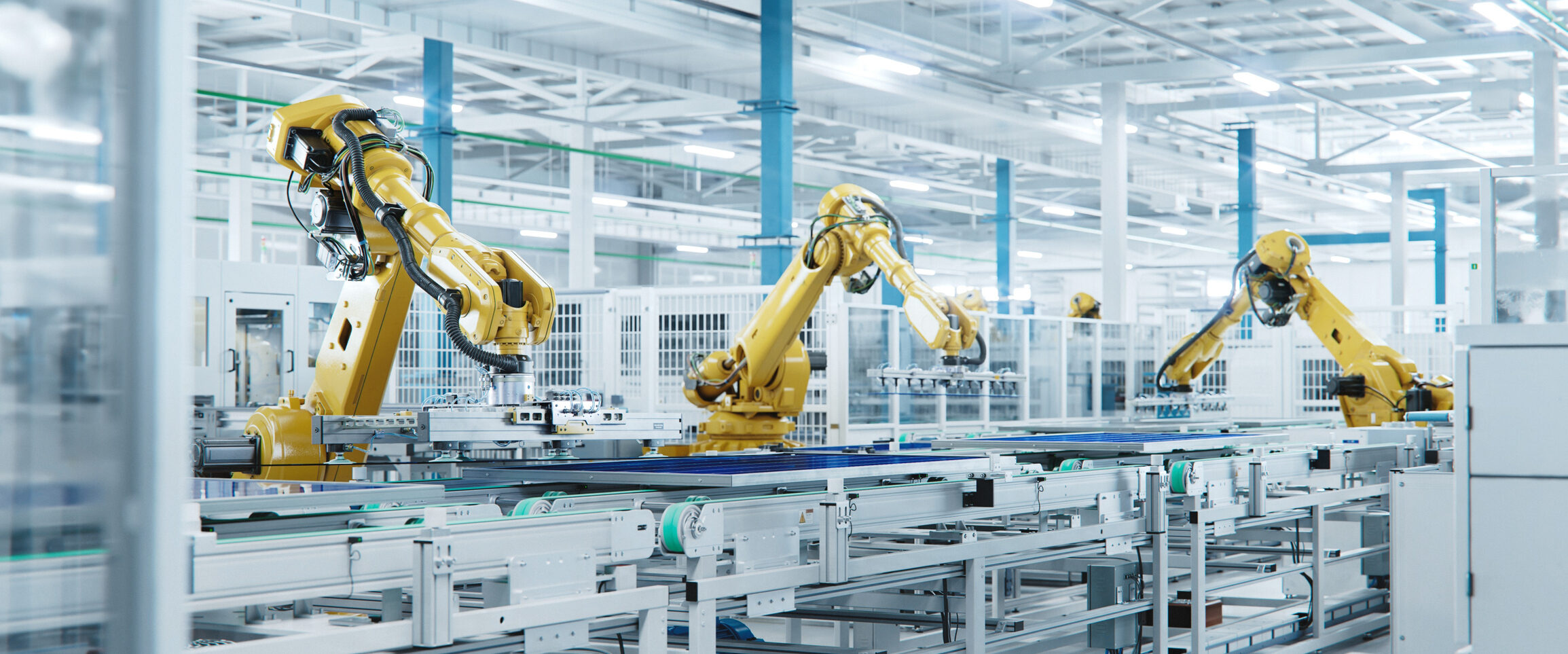
Robotics and humanoid robots need to exclude dust and moisture while withstanding vibration, temperature extremes, and continuous motion. As these systems become more complex, so do their sealing requirements. Proper gasket design helps ensure that electronics, sensors, batteries, and mechanical assemblies remain protected.
Stockwell Elastomerics fabricates silicone gaskets and offers design reviews and help with material selection. Silicone’s flexibility, temperature stability, compression performance, and environmental resistance make it a good choice for robotic platforms. Lightweight materials are available, and silicones support dynamic sealing and dust and moisture protection for enclosures and sensors.
Dynamic Sealing
Robotics and humanoid robotics are subjected to continuous motion. Rotating joints, actuators, grippers, humanoid limbs, and other assemblies all require seals that can repeatedly flex and recover. Gasket design for these dynamic interfaces must account not only for movement, but also for compression, shear, and long‑term fatigue.
Silicone excels in dynamic sealing because of its high elasticity, low compression set, and resistance to mechanical fatigue. Stockwell Elastomerics’ offers gaskets from solid silicones that resist shear while padding sensitive components in motion as well as silicone foams that maintain sealing force even after many cycles. Their wide temperature range supports robots working in cold storage, manufacturing facilities, and other demanding environments.
Dust and Moisture Protection
Robotics engineers may need enclosure gaskets that help them meet specific ingress protection (IP) standards. These ratings begin with “IP” and contain two digits that describe the degree of protection from solids and liquids. Material selection is a key part of the gasket design process, and silicones can prevent the ingress of dust and moisture while remaining compressed over a long service life.
Stockwell Elastomerics converts closed-cell silicone foams into gaskets for IP 65, IP 66, IP 67, and IP 68 enclosures. In high-pressure washdown environments, solid silicone gaskets are sometimes used instead. Along with dust and moisture protection, silicone resists ultraviolet light (UV) from the sun and ozone from the air. That’s important with construction and agricultural robots.
From the Battery Enclosure Gaskets
Mobile robotics use battery systems that provide bursts of power for moving heavy loads or quick acceleration. Typically, the enclosure that houses the battery is made of aluminum, plastic, or stainless steel. Gasket design must account for the thermal expansion and contraction of enclosure materials, but that’s just one of many considerations.
Silicones are recommended for battery enclosures both for sealing and vibration damping because they offer low compression set, excellent thermal stability, and are available with UL 94V‑0 flame resistance. In addition to electrical insulation, silicones can resist the electrolyte vapors that are released if a battery is exposed to excessive heat. Ceramifying silicones can mitigate thermal runaway.
Sensor Protection
Silicone gaskets can also protect the sensors used with cameras, LiDAR, inertial measurement units (IMUs), and environmental monitors. Silicone materials offer a balance of softness, sealing capability, and environmental resistance. They’re also available in low outgassing formulations that won’t release gases that can condense upon and cloud sensors, optics, and electronics.
When designing seals for sensors and other applications, engineers must also consider the manufacturing process. For example, Stockwell Elastomerics offer various cutting methods to produce silicone gaskets for camera housings and LiDAR modules. Liquid silicone rubber (LSR) with high-clarity transparency can also be molded into gaskets for protective windows.
Lightweight Material Selection
Whether it’s for humanoid limb enclosures, lightweight sensor housings, mobile robot chassis, or wearable robotics, lightweight gasket materials support smooth and efficient movements. For strong sealing performance with minimal weight, Stockwell Elastomerics’ converts low-density cellular silicones into finished gaskets.
Compared to solid silicones, cellular materials like silicone foam and sponge contain pockets or cells than reduce weight up to 90%. They compress easily under pressure, preventing thin-gauge sheet metal or plastic housings from warping. The same air pockets that support lightweighting act as miniature shock absorbers that dissipate kinetic energy better than solid rubber.
Get Help with Gasket Design for Robotics and Humanoid Robots
Stockwell Elastomerics is an experienced silicone gasket fabricator that can also help you with material selection and review your gasket design. To talk to our Applications Engineering Team, complete our on-line form, email service@stockwell.com, or call (215) 335-3005.